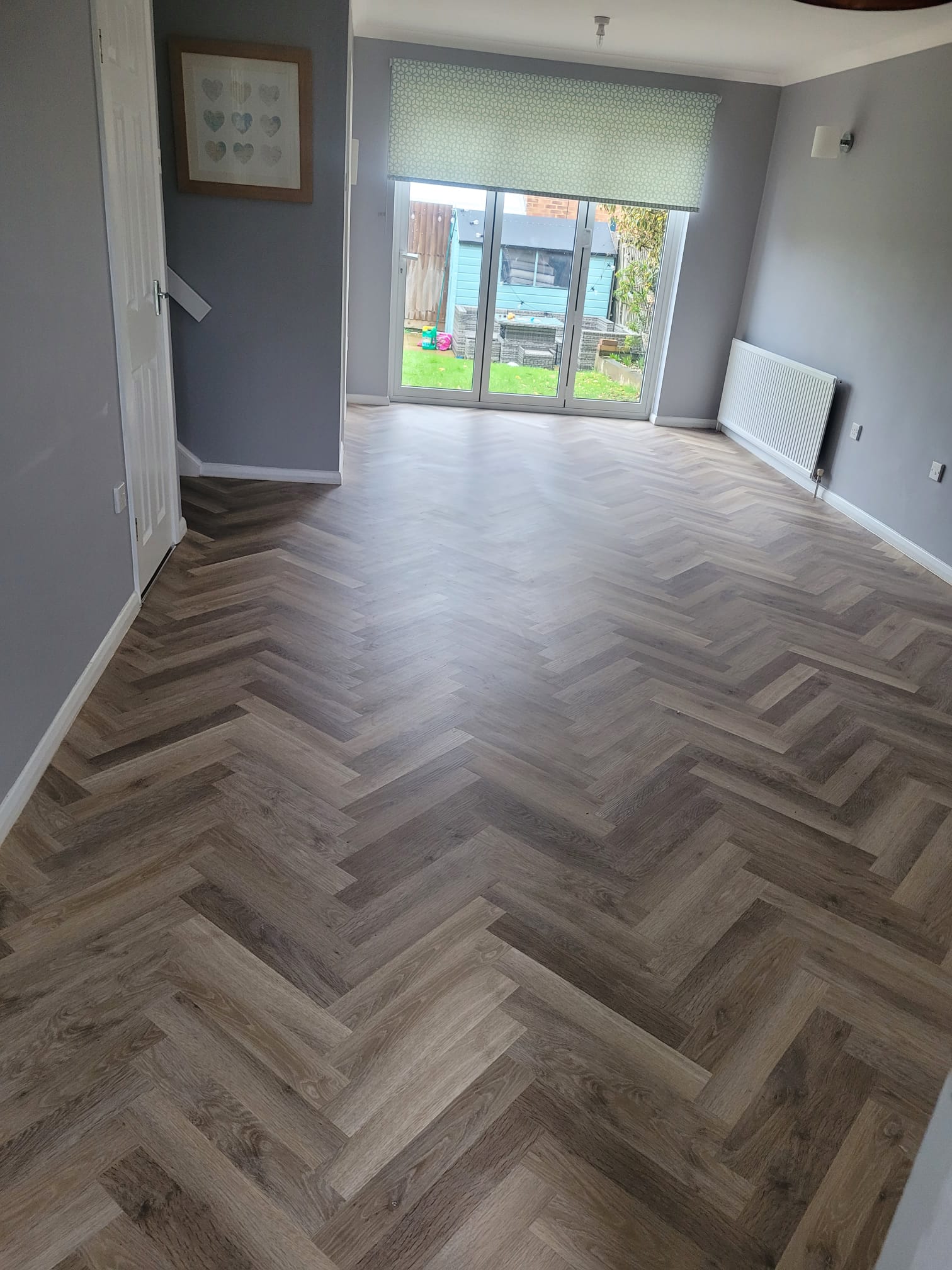
Choosing between LVT flooring and laminate flooring can feel confusing for many homeowners, especially with both options offering stylish designs, affordability, and strong durability. Across UK homes, flats, and rental properties, these two flooring types have become extremely popular due to their realistic finishes and practical performance. Understanding the difference between luxury vinyl options and laminate materials is essential if you want to choose the right flooring based on lifestyle, budget, and room usage.
What Luxury Vinyl Tile (LVT) Actually Is
LVT flooring is a multi-layered vinyl product designed to replicate natural materials like wood or stone. It is made from several compressed layers, typically including a durable wear layer, a printed design layer, and a stable backing layer.
This construction gives LVT excellent water resistance, flexibility, and comfort underfoot. It is often considered a premium form of vinyl because of its realistic appearance and long-lasting performance.
Many homeowners choose LVT for kitchens, bathrooms, and high-traffic areas because it handles moisture far better than many traditional materials.
What Laminate Flooring Is Made Of
Laminate flooring is built differently. It usually consists of a high-density fibreboard core with a photographic wood design layer on top and a protective wear layer above it.
While laminate flooring is strong and scratch-resistant, it is generally less water-resistant than LVT. This makes it better suited for living rooms, bedrooms, and hallways rather than wet areas.
Laminate is popular because it delivers a wood-look finish at a lower cost, making it an attractive option for budget-conscious homeowners.
Why Both Options Are So Popular in UK Homes
Both laminate and LVT are widely used across the UK due to their balance of style and practicality. Homeowners appreciate that they can achieve a high-end look without the cost of real hardwood.
Key reasons for popularity include:
- Affordable compared to solid wood flooring
- Wide range of colours and finishes
- Easy maintenance and cleaning
- Suitable for modern interior design trends
Whether you choose laminate or luxury vinyl, both options offer excellent value depending on the room and usage.
Key Expectations Before Comparing Flooring Options
Before making a decision, homeowners should consider:
- Moisture levels in each room
- Daily foot traffic and wear
- Budget and long-term maintenance
- Desired look and comfort level
LVT generally performs better in moisture-prone areas, while laminate excels in dry living spaces.
Contact us or book a consultation here.
LVT vs Laminate in the UK: Key Differences That Matter Most
Choosing between LVT vs laminate in the UK is a common decision for homeowners who want stylish, durable, and cost effective flooring. Both options are popular, but they perform differently depending on the room, usage, and environment. Understanding how each behaves in real UK homes can help you make a smarter long-term investment.
With so many flooring options available today, it is important to compare not just appearance, but also practicality, especially in homes that deal with wet weather, pets, and high foot traffic.
Water Resistance: Why LVT Is Often Preferred for UK Kitchens and Bathrooms
Water resistance is one of the biggest differences between the two materials.
LVT Performance in Wet Areas
Luxury vinyl is fully water resistant, making it ideal for kitchens, bathrooms, and utility rooms.
Laminate Limitations
Laminate has improved over the years, but it is still more vulnerable to moisture damage if water seeps into the joints.
In typical UK homes where spills and damp conditions are common, LVT often provides greater peace of mind.
Durability in Real-Life UK Conditions
Homes in the UK often deal with muddy shoes, pets, and heavy foot traffic.
LVT Advantages
- Highly resistant to scratches and dents
- Performs well in busy family homes
- Suitable for pets and active households
Laminate Considerations
- Can chip or swell under heavy moisture exposure
- Good durability in dry, low spill areas
In high use spaces, many homeowners also compare it with luxury vinyl flooring styles that offer stronger long-term resilience.
Comfort Underfoot and Insulation During Colder Months
Comfort is especially important in UK homes due to colder seasons.
LVT generally feels softer and warmer underfoot compared to laminate. It also works well with underlay systems that improve insulation. Laminate can feel slightly harder, although it still performs well in living areas and bedrooms.
Noise Reduction in Terraced Houses and Flats
Noise control is a major consideration in UK housing, especially in terraced homes and apartments.
- LVT reduces impact noise more effectively
- Laminate can create more footstep sound without quality underlay
For shared living spaces, LVT often provides a quieter and more comfortable environment.
Visual Realism: Wood and Stone Effect Trends
Both LVT and laminate offer realistic finishes that replicate wood and stone.
LVT Design Strengths
- Highly detailed textures
- Wide range of modern patterns
- Excellent for contemporary interiors
Laminate Design Strengths
- Strong traditional wood appearance
- Cost effective aesthetic alternative
Both options can complement styles such as hardwood flooring, but LVT often leads in design flexibility and modern realism.
Which Flooring Is Right for Your Home?
Choosing the right flooring plays a major role in how your home looks, feels, and performs over time. With so many flooring options available, UK homeowners often compare LVT and laminate as two of the most practical choices. Both offer strong visual appeal, but they differ in durability, water resistance, and long-term value.
Best Flooring for Kitchens and Bathrooms (Moisture-Heavy Areas)
Kitchens and bathrooms require flooring that can handle constant exposure to moisture, spills, and temperature changes. In these areas, luxury vinyl flooring is often the stronger choice due to its waterproof properties and stability.
- Fully waterproof construction
- Resistant to swelling and warping
- Easier to clean after spills
Laminate can work in kitchens with careful maintenance, but it is generally less suitable for bathrooms where humidity levels are consistently high. For homeowners prioritising durability and low maintenance, LVT is usually the safer long-term option.
Best Choice for Living Rooms and Bedrooms (Comfort vs Style Balance)
For living spaces and bedrooms, both LVT and laminate perform well depending on priorities.
Laminate flooring is often chosen for its realistic wood effect and affordability, making it a popular option for stylish upgrades on a budget.
LVT flooring, including premium designs such as engineered wood flooring, offers a softer underfoot feel and better sound insulation, which is ideal for comfort-focused spaces.
If warmth and quietness are important, LVT tends to have the advantage. If visual appeal at a lower cost is the priority, laminate remains a strong contender.
Best Option for Rental Properties and High-Traffic Hallways
Rental properties and busy hallways require flooring that is durable, cost-effective, and easy to maintain.
- Laminate is often chosen for its affordability and quick installation
- LVT is preferred for higher durability and moisture resistance
In high-traffic areas, LVT typically lasts longer due to its layered construction and resistance to scratches and dents. However, laminate can still be a practical choice where budgets are tighter and replacement cycles are expected.
Budget vs Long-Term Value for UK Homeowners
Budget plays a major role in flooring decisions. Laminate is generally more affordable upfront, making it attractive for quick renovations. However, LVT often delivers better long-term value due to its lifespan and reduced maintenance needs.
Homeowners should consider:
- Initial installation cost
- Maintenance requirements
- Expected lifespan
- Replacement frequency
While laminate may save money initially, LVT can reduce long-term costs in many households.
When Laminate Still Makes Sense (and When It Doesn’t)
Laminate still makes sense when:
- Budget is the main priority
- Installation speed is important
- The space is low moisture and low risk
LVT is the better choice when:
- Water resistance is essential
- Long-term durability matters
- A premium finish is preferred
Ultimately, the right choice depends on lifestyle, budget, and the specific needs of each room. Making a balanced decision ensures your flooring supports both daily use and long-term property value.
UK Costs, Installation, and Maintenance: What Homeowners Should Expect
When choosing between LVT and laminate flooring, understanding real-world costs, installation methods, and long-term maintenance is essential. These practical factors often determine not only your upfront budget but also your long-term satisfaction and value for money. With a wide range of flooring options available in the UK market, homeowners need clear guidance to make the right choice.
Average UK Pricing: LVT vs Laminate Flooring
Pricing can vary depending on quality, brand, and installation complexity, but general UK averages are:
| Flooring Type | Material Cost (per m²) | Installed Cost (per m²) | Typical Lifespan |
| Laminate Flooring | £10 to £25 | £25 to £45 | 10 to 20 years |
| LVT Flooring | £20 to £50 | £35 to £70 | 15 to 25+ years |
Laminate is generally more budget-friendly upfront, while LVT often offers better long-term durability and water resistance.
Installation Methods Explained Simply
Understanding installation helps you avoid costly mistakes and choose the right system for your home.
Click-Lock Installation
- Easy to install and commonly used for laminate
- Planks click together without adhesive
- Suitable for quick renovations and DIY projects
Glue-Down Installation
- Common for premium LVT flooring
- Provides a more stable and permanent finish
- Ideal for high-traffic or commercial spaces
DIY vs Professional Installation
DIY installation may seem cost-effective, especially with click-lock systems. However, it requires precision and proper subfloor preparation.
DIY works best when:
- Rooms are simple and square
- You have prior flooring experience
- You are using laminate or click-lock systems
Professional installation is recommended when:
- Installing glue-down LVT
- Floors require levelling or preparation
- You want long-term performance and warranty protection
Poor installation can lead to gaps, lifting, and reduced lifespan, especially in busy households.
Maintenance Differences: Cleaning and Longevity
Both LVT and laminate are relatively low maintenance, but there are key differences:
Laminate Flooring
- Requires dry or slightly damp cleaning
- Can be damaged by excess water
- Scratches may be harder to repair
LVT Flooring
- Fully water-resistant in most cases
- Easier to clean with regular mopping
- Individual planks can often be replaced
LVT generally performs better in kitchens, bathrooms, and high-traffic areas.
Final Decision Checklist for UK Homeowners
Before deciding, consider the following:
- Budget for both supply and installation
- Room type and moisture exposure
- Desired lifespan and durability
- Maintenance preferences
- DIY capability vs need for professional fitting
Flooring Decisions That Impact Long-Term Value
LVT and laminate flooring both offer strong benefits, but the right choice depends on your lifestyle and long-term goals. From my point of view, investing in the correct flooring now can prevent costly changes later. We are Haddenham Carpets, a trusted flooring specialist serving Buckinghamshire and Oxfordshire, known for premium workmanship. We supply carpets, vinyl, and LVT designer flooring for all property areas, including expert fitting services. Call us on 01844 291591 or 01296 392457, or email info@haddenhamcarpets.com today. Get in touch and upgrade your home with confidence.